If you live or operate in Noosa, opportunities are you split your time between the beach, busy hospitality locations, and long drives on in some cases quiet roads. Those are exactly the settings where first aid abilities matter. Throughout the years I have actually trained everyone from browse trainers and café managers to retirees looking after grandchildren, and the same concern always comes up before their first day of training:
"What in fact happens on the day, and will I have the ability to manage it?"
A first aid course in Noosa is structured, useful, and more relaxed than many individuals expect, but it helps to know the circulation before you stroll in. This guide walks through a normal training day so you can get here ready and surface with your emergency treatment certificate Noosa trainers would more than happy to sign off.
Choosing the right first aid course in Noosa
Before we discuss the day itself, it deserves matching your choice obviously to your needs. Companies in the region, consisting of clothing like Emergency treatment Pro Noosa and other regional fitness instructors, usually use numerous basic options.
For many people, a combined first aid and CPR course Noosa based is the sweet area. It covers the nationally recognised "Supply First Aid" system plus cardiopulmonary resuscitation in one day. That fits childcare workers, fitness specialists, tradies, and anyone in customer-facing roles.
Some learners select a CPR course Noosa particular, usually a much shorter session focused only on resuscitation and use of an AED. This works well as a yearly or two-yearly refresher, specifically for surf lifesavers, health club staff, and moms and dads who've already completed full first aid training Noosa service providers provide in the past.
There are also more targeted emergency treatment courses in Noosa for child care, education, or workplace-specific requirements. The core skills overlap, however the scenarios and regulatory requirements differ, so confirm with your employer or market body before booking.
If you are uncertain, most fitness instructors running Noosa emergency treatment courses enjoy to talk through your circumstance. A ten minute telephone call can save you a squandered day in the wrong level of course.
Before training day: reservation, prep, and pre‑course work
Most Noosa first aid training now blends online theory with face to face useful sessions. That hybrid design makes the day in the classroom or training room more hands-on and less like school.
When you schedule a first aid course Noosa based, you will normally get:
- A verification email with date, time, and area, plus what to bring and when to arrive A link to pre-course learning or an online theory module and quiz
Some first aid and CPR courses Noosa companies run still utilize paper workbooks, however online material is progressively the norm. Anticipate 2 to 4 hours of pre-reading and quizzes, depending on the course level and your familiarity with the material.
From experience, individuals who struggle on the day are typically the ones who left the e-learning to the eleventh hour or clicked through without reading. You do not require medical knowledge, but taking the pre-course seriously suggests you spend your training day practising skills instead of attempting to memorise definitions.
Give yourself at least one peaceful evening to finish any online work. Keep your login information helpful in case you need to reveal your conclusion record on arrival.
What to give your Noosa emergency treatment training
Arriving prepared makes the day smoother, especially if you are not utilized to kneeling on the floor or dealing with manikins. A brief list catches the essentials you should have with you.
- Photo ID for enrolment and evaluation confirmation Comfortable clothes that permits you to kneel, bend, and move easily A water bottle and light treats, specifically if you are prone to low energy Any finished pre-course work, certificate, or online evidence hard copy A note pad and pen if you like writing down ideas or mnemonics
Footwear matters more than people expect. You will probably be kneeling next to a CPR manikin on a mat or thin carpet for repeated compressions. Closed shoes with some cushioning assistance when you move quickly in between stations. I have watched more than one person kick themselves for using thongs.
If your Noosa emergency treatment course runs through lunch, check whether there are nearby food options. Around Noosa Junction or near the enterprise zones you will generally find a coffee shop or takeaway, however some training places in more tucked-away spots have limited food close by. Packing something simple to consume can be a sensible backup.
Arrival and settling in: how the day starts
Most first aid training in Noosa begins in between 8 and 9 am. Aim to show up 10 to 15 minutes early. That window gives you time to sign in, discover the toilets, get a drink, and settle before the fitness instructor begins.
The very first part of the day feels administrative. You can anticipate:
You will be asked to reveal ID so the RTO can confirm your information. There might be some fast documents, especially if you have actually not finished your enrolment online. Some trainers will confirm your pre-course learning is completed, or run through crucial quiz questions as a warm-up and to examine understanding.
I frequently start by asking the group an easy concern: "Who here has actually done CPR on a real person?" In a room of 12 participants in Noosa, normally 1 or 2 hands go up. Those stories, from pulling somebody out of the browse to a workplace event, instantly ground the day in truth. They also reveal that normal individuals, not simply paramedics, end up utilizing these skills.
Trainers will likewise stroll through the course structure, evaluations, breaks, and safety. You will be told when you can utilize your phone, when the official assessment happens, and how to let the fitness instructor understand if you have injuries or movement problems that impact activities like kneeling for extended periods.
If you are worried about a current knee injury, pregnancy, or back problem, mention it at the start. Most Noosa first aid training providers can adjust how you demonstrate skills, such as compressions on a table rather of the flooring, while still satisfying evaluation standards.
Core topics you will cover throughout a Noosa emergency treatment course
Different companies series things differently, yet the backbone of a Noosa first aid course stays similar. You can expect to resolve the following styles in varying depth.
Understanding your function as a very first aider
Before you touch plasters or manikins, you will speak about what you are actually anticipated to do as a very first aider. That includes:
You discover responsibility of care, permission, and when it is safe or risky to step in. For workers in tourist, hospitality, and construction in Noosa, we typically talk about specific situations, such as a backpacker who collapses at a bar, a kid injured at a holiday park, or a colleague who falls from a ladder in a workshop.
The objective is to decrease hesitation. Lots of people fret about legal repercussions, doing the wrong thing, or making injuries worse. By the mid-morning break, many participants comprehend that doing something suitable, rapidly, is both legally protected and far better than waiting passively.
Basic life support and CPR
The CPR component is the part individuals fear and later value the most. In a combined first aid and CPR course Noosa citizens participate in, the trainer spends a great chunk of time on:
How long you practice depends upon the course format, however intend on multiple rounds of compressions on adult, child, and baby manikins. National requirements usually require you to demonstrate at least 2 minutes of continuous compressions at the right depth and rate.
Performing appropriate CPR feels physically demanding. A surprising number of in shape surf coaches and tradies discover that their arms tire quickly. That experience is useful. When you have felt your own fatigue kick in after only a couple of minutes, you comprehend why turning rescuers is not just a textbook suggestion.
If you booked a CPR course Noosa just, your entire session will concentrate on scenarios requiring resuscitation and defibrillation, considering regional truths like hold-ups in ambulance access to remote beaches or hinterland properties.
Breathing problems, choking, and asthma
Choking drills and breathing emergency situations typically resonate highly with parents and hospitality employees. A café owner in Noosaville once told me he had actually viewed three moderate choking events in 6 months, none of which were handled with confidence by staff.
Expect to find out acknowledgment and treatment of:
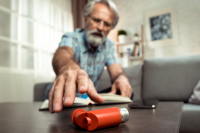
In Noosa, where asthma and allergies prevail amongst both residents and visitors, fitness instructors frequently spend extra time practicing with fitness instructor EpiPens and inhalers. You will stroll through how to support somebody to use their reliever safely and what to record for paramedics.

Injury management: useful, sandy, and in some cases messy
Once the CPR-focused section wraps up, attention generally moves to injuries. In coastal areas like Noosa, fitness instructors weave in examples that reflect regional hazards: reef cuts, fin gashes from surfboards, falls on wet tiles, and roadway biking accidents.

During Noosa emergency treatment training sessions I have actually run or observed, students generally practise:
Controlling bleeding involves more than slapping on a bandage. You will learn more about direct pressure, elevation, and the appropriate usage of tourniquets and haemostatic dressings where the training package and supplier permit. We frequently discuss when a towel from a neighboring bar might be the only initial resource and how to improvise safely.
Fracture and sprain situations typically mirror genuine Noosa settings. Think of someone slipping while bring a tray of beverages at a beachfront location, a skateboarder at Noosaville, or a tourist misjudging a trail in the hinterland. The trainer will run through acknowledgment of fractures, sprains, and stress, and you will practice immobilisation using slings and padding.
Head and back injury conversations can get rather comprehensive. There is a difference in between somebody who has banged their head and is suffering mild pain versus someone showing indications of concussion or spinal compromise. Your Noosa first aid course will take you through how to minimise movement, when to hold manual in-line stabilisation, and when evacuation to health center is essential.
For burns and stings, seaside variations appear. You will cover the 20 minutes cool running water guideline for burns, and likely speak about hot surface areas, cooking area accidents, and sun direct exposure. Some trainers likewise discuss marine stings that might emerge in local waters, stressing what is evidence-based, not regional folklore.
Medical emergencies: from diabetic lows to heart attacks
Beyond injuries, first aid courses Noosa based also cover common medical conditions that can suddenly end up being emergencies. The depth depends upon the particular course, however most thorough programs handle:
Chest pain and presumed heart attack circumstances prevail in training function plays. You practice relaxing the individual, positioning them correctly, examining their history, and calling for aid early. A story I often share involves a male on holiday in Noosa who overlooked chest discomfort for hours due to the fact that he did not want to "destroy the journey." When someone acknowledges the indication early, they can save heart muscle and in some cases a life.
Seizure management is another location where self-confidence matters. Many individuals have never ever seen a seizure outside of television. In training, you discover to clear dangers, cushion the head, time the seizure, safeguard privacy, and supply peace of mind throughout healing. You clearly learn what not to do, such as putting things in the individual's mouth or trying to pin their limbs.
For diabetes, fitness instructors explain the difference between low and high blood sugar level signs and what a first aider can reasonably do, including offering suitable oral glucose in some scenarios and monitoring the individual up until ambulance care arrives.
How assessment deals with the day
A lot of individuals come to their Noosa first aid course with school test anxiety. The evaluation process feels very various. It is competency-based, practical, and normally woven into the activities so the day does not feel like an ordeal with a test at the end.
You are examined on 2 main areas:
Knowledge checks might include short tests, circumstance questions, or oral questioning. The groundwork for these is mainly laid by the pre-course theory. For the useful side, you will be asked to demonstrate abilities such as:
Your assessor, often the trainer themselves, will observe and offer clear directions. They can typically offer you feedback and a possibility to right mistakes on the area. For example, if your CPR compressions are too shallow, they may coach you to adjust hand position and body weight until you satisfy the standard.
If you really can not finish a required job on the day due to the fact that of an injury or health condition, speak up early. Providers of emergency treatment training in Noosa are used to developing reasonable modifications, such as enabling you more rest in between situations, as long as they still meet nationwide proficiency guidelines.
When you have satisfied all requirements, the trainer will indicate that you are qualified. Your official first aid certificate Noosa recognised is typically released digitally within a few company days, in some cases within 24 hours.
After the course: keeping your abilities current
A full Noosa emergency treatment course offers the majority of people confidence for the first year or more. Nevertheless, skills fade if you do not practice. Research study and real-world experience both show that CPR quality begins to decrease significantly after about 12 months without practice.
For that reason, numerous workplaces book a devoted CPR refresher course Noosa broad each year. Personnel invest a couple of focused hours revisiting compressions, breaths, and AED use and upgrading understanding to show any standard changes. The much shorter format makes it much easier to fit around lineups and seasonal peaks in tourism.
Provide Emergency treatment certificates are often valid for 3 years in regulative frameworks, although some markets advise more frequent updates. Even if your wallet card or digital certificate says you are existing, ask yourself truthfully: "Would I feel comfy doing this on a real person tomorrow?" If the response is no, consider another round of emergency treatment and CPR Noosa based training sooner.
You can likewise keep abilities fresher by:
Running through a quick DRSABCD mental wedding rehearsal occasionally, particularly if you operate in a setting where emergency situations might take place. Expecting opportunities in daily life to notice hazards, consider how you would respond, and where the nearest AED or emergency treatment kit lies. Some Noosa work environments add quick emergency treatment refreshers to personnel conferences during quieter weeks, such as a 5 minute pointer on choking or healing position.
Managing nerves: what the majority of very first timers stress about
By midday in practically every Noosa first aid training I have actually run, numerous individuals say some version of "This is not as frightening as I believed."
Still, it is natural to worry before your first course. People usually stress over three main things: mouth to mouth contact, physically coping with CPR, and being judged in role plays.
Mouth to mouth is less prominent than it utilized to be, especially in adult resuscitation where https://telegra.ph/Why-a-Noosa-First-Aid-Course-Is-a-Need-To-for-Beachgoers-and-Outdoor-Lovers-03-10 compression-only CPR might be suggested when a rescuer is unwilling or not able to offer breaths. Trainers go over reasonable alternatives, including usage of face guards and the concerns in a genuine emergency in Noosa where ambulance action might vary by place and time of day.
Physical tiredness throughout CPR is genuine, especially if you are not used to repeated upper body work. Fitness instructors typically encourage you to utilize your body weight rather than arm strength alone, and to swap with a partner in practice so you feel what teamwork implies in reality.
Role plays and being viewed throughout assessment can feel uncomfortable at first. Great trainers handle this by keeping situations practical instead of theatrical. You may be asked to react to "an associate who has fallen from a ladder in the storeroom" rather than enact complete drama. The focus is on what you do, not how convincingly you act.
Remember that many people in the space feel the exact same pain. By the end of the day, it is regular to see a group that started as strangers kneeling around manikins, coaching each other, and laughing about earlier nerves.
Making one of the most of your Noosa emergency treatment course
Noosa emergency treatment courses are more than a box to tick for work. In an area where browse, sport, hospitality, and roadway travel become part of every day life, the chances that you will one day face a first aid scenario are higher than many individuals admit.
To get the very best return on your time and course cost:
Ask concerns that relate to your reality. If you coach junior sport, manage a dining establishment, deal with a building and construction website, or look after grandchildren, present those scenarios to the trainer and ask how the general principles adapt. Practise with intent during CPR and bandaging drills rather of going through the movements. Attempt to envision that the manikin or role player is someone you know and appreciate. Keep your course notes and any handouts somewhere accessible at home or work. Skim them every few months so that the language and actions remain familiar.
Whether you are completing your emergency treatment course in Noosa for work, volunteering, or your own assurance, anticipate a day that is practical, occasionally challenging, but ultimately empowering. The certificate matters, but what matters more is walking out able to identify an emergency situation, act quickly, and give someone in your community their best chance of going home alive.
Nationally Recognised First Aid Courses Noosa Locals Trust! First Aid Pro is one of Noosa’s leading providers of accredited CPR and first aid courses. Established in 2010, our nationally registered training organisation (RTO) has equipped over 3 million Australians with essential life-saving skills through our experienced team of over 110 expert trainers. Conveniently servicing Noosa and the Sunshine Coast region, we provide top-quality, nationally accredited CPR and first aid training sessions tailored to your needs, whether for workplace requirements, career advancement, or personal safety. From childcare-specific first aid to advanced first aid and resuscitation training, we’ve got you covered. First Aid Pro – First Aid Course Noosa Noosa Leisure Centre 9 Wallace Drive Noosaville QLD 4566 Australia Phone: (08) 7120 2570 Secure your Noosa first aid course or CPR training with us and build the confidence to handle emergencies with a trusted Noosa first aid provider. Take the first step towards becoming a skilled and capable first aider with First Aid Pro today. Location & Venue Details Our First Aid Pro Noosa courses are held at Noosa Leisure Centre, 9 Wallace Drive, Noosaville QLD 4566, conveniently located in the heart of Noosaville. This modern and well-equipped venue provides a professional and comfortable training environment ideal for first aid, CPR, and childcare first aid courses. It’s the perfect location for participants travelling from Noosaville, Noosa Heads, Tewantin, Sunrise Beach, and surrounding Sunshine Coast suburbs. Situated just minutes from the Noosa River and Noosa Marina, the venue is close to popular landmarks such as Noosa Civic Shopping Centre, Noosa National Park, and Hastings Street. The surrounding area offers a variety of cafés, restaurants, and takeaway outlets—perfect for enjoying lunch or coffee before or after your course. With easy access to Noosa Main Beach and beautiful parks, it’s also a great place to relax after training. Training is conducted in spacious, air-conditioned rooms within Noosa Leisure Centre, equipped with high-quality first aid and CPR training equipment and comfortable seating. The venue offers onsite parking and additional street parking nearby for added convenience. The site is fully accessible, offering step-free entry and accessible restroom facilities, ensuring a smooth and inclusive training experience for all participants.